For 3D printer resellers and print farms, spare parts stock is not only about buying enough products. The real problem is buying the right parts before customers ask for them, and before machines stop working.
A reseller may have many build plates in stock, but still lose orders because the popular printer model size is missing. A print farm may have boxes of tools and screws, but one broken fan, worn nozzle or damaged PTFE tube can stop a machine that should be printing every day. The part itself may be cheap. The delay is not.
A practical stock plan has to connect four things: market demand, printer usage, production time and shipping time. If any one of them is ignored, stock becomes either dead inventory or not enough when it is needed most.
Stock should follow real printer models, not only product categories
Most buyers do not search for spare parts in a very general way. They usually ask for parts by printer model, machine family or replacement need — Bambu A1 build plates, Creality K1 fans, Elegoo Neptune parts, Anycubic Kobra hotend parts, Prusa sheets or resin printer release films.
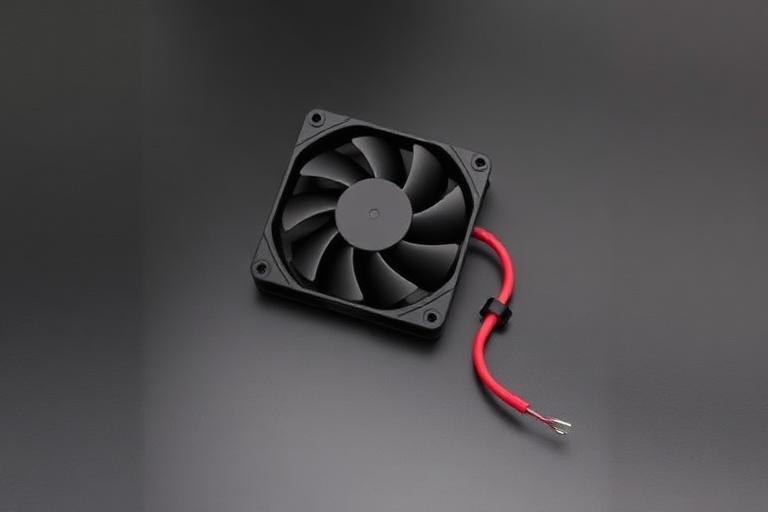
A better way is to connect parts with the printer models your customers actually use. Build plates should be separated by size, surface and compatible printer model. Fans should be checked by voltage, size, connector and cable length. PTFE tubes should match the feeding system and inner diameter. Resin films should be separated by FEP, PFA, nFEP or ACF, not mixed as one simple “film” product.
Resellers need to watch what is selling now
For resellers, spare parts stock should follow the local market. If a printer model is selling well, its replacement parts usually start moving after users have printed for a while. Nozzles wear out. Build plates get damaged. Fans fail. Tubes become loose or burnt. Resin films need replacement. Tools and maintenance accessories get reordered.
The better question is: which printer models are my customers buying, and which parts will they need next? A reseller does not need to stock every possible accessory. That creates pressure and slow-moving inventory. The smarter move is to keep enough fast-moving parts for popular machines, and keep smaller quantities for slower or more expensive repair parts.
Print farms need spare parts based on machine usage
Print farms do not plan stock like resellers. They do not need to chase every new printer model in the market. They need to keep their own machines running.
A farm with 20 or 50 printers should look at what actually wears out during daily use. Abrasive filament wears nozzles and feeding parts. Long-hour machines need fans, belts, PTFE tubes, thermistors, heater cartridges and lubrication parts. Resin printers need release films, vats, scrapers, gloves and cleaning tools.
When one printer stops because of a missing small part, the real cost is not the price of that part. The real cost is delayed orders, lower output and extra technician time. Practical safety stock includes nozzles, build plates, PTFE tubes, fittings, fans, belts, thermistors, heater cartridges, cleaning tools, lubricants, screws, springs and common leveling parts.
Production time and shipping time should be planned before stock runs out
For standard small parts, the lead time may be short. But for custom build plates, silicone heaters, labeled spare part kits, retail packaging, mixed model orders or large batch purchases, the order may need sample confirmation, production, sorting, quality checking and packing before shipment.
Small urgent parts can often go by express or air freight, especially when they are needed for active sales or machine repair. Heavy or bulky products — build plates, glass plates, silicone heaters, aluminum parts, large tool sets, bulk hardware — are usually better planned earlier and shipped by sea when time allows.
- Urgent and light parts go faster
- Heavy and planned replenishment goes slower
- Custom or labeled orders start earlier
Packaging matters more than many buyers expect
Spare parts are small, but packaging mistakes create real trouble. A reseller may need model labels, barcode labels, individual bags or retail-ready boxes. A print farm may not need beautiful packaging, but it still needs clear separation by model and specification.
Electronic parts should not be packed together with heavy metal hardware. Small nozzles, screws and fittings should be labeled clearly. Build plates need protection against bending and surface scratches. Heavy cartons may need stronger boxes and corner protection. For B2B spare parts, packaging is not decoration — it is part of the supply process.
How Yuntrex supports spare parts stock planning
Yuntrex supplies 3D printer spare parts and accessories for resellers, print farms, education users and equipment maintenance teams — build surfaces, nozzles, heating parts, fans, PTFE tubes, belts, resin films, tools, hardware and filament storage accessories.
For resellers, we help organize spare parts by printer model, size, packaging type and sales use. For print farms, we help prepare practical maintenance parts based on the machines they actually run. For mixed orders, we also support sample checking, model confirmation, separated packaging, stronger cartons, urgent air shipping for small parts and planned sea shipping for heavier replenishment orders.