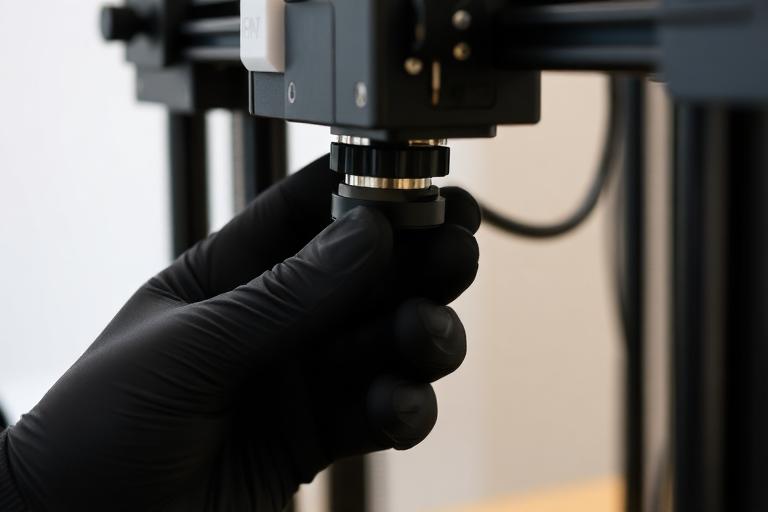
A hotend replacement order often starts with one short message:
“We need a hotend for Ender 3.” “We need K1 hotends.” “Can you quote Bambu P1S hotend kits?”
For a single repair job, that may sound normal. For bulk sourcing, it is not enough.
The problem is not that the buyer chose the wrong product category. The problem is that many hotends are described too casually. A printer model name can hide different hotend versions, nozzle systems, heater types, sensor types, connector styles and cable lengths.
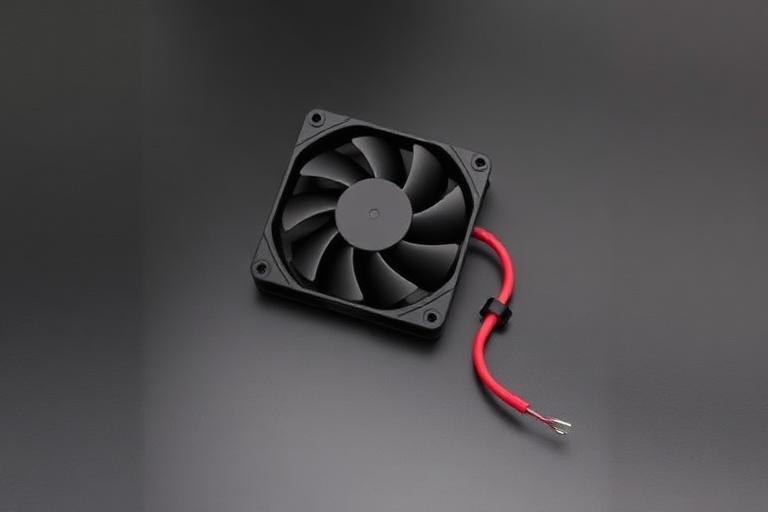
Two hotends may look almost the same in a product photo. But one may use a different connector. One may need a different silicone sock. One may use a different nozzle sealing structure. One may fit the toolhead but create heating errors after installation. This is how a “small replacement part” becomes a wrong-fit batch.
For resellers, repair shops, printer farms and 3D printing service providers, hotend replacement should not be treated as a simple product search. It should be treated as a compatibility check.
Mistake 1: treating the printer model as the full specification
Printer model is only the starting point. A buyer may say “K1 hotend” or “Ender 3 hotend”, but that does not always tell the supplier which hotend version is needed.
Some printer series change hotend structure over time. Some use different nozzle systems. Some replacement kits include heater, thermistor and silicone sock, while others only include the metal hotend body. Some connectors look similar but are not the same.
Before confirming a replacement hotend, the most useful information is:
- Printer brand and model
- Original hotend photo
- Connector photo
- Nozzle type
- Heater and temperature sensor type
- Cable length
- Mounting structure
- Whether the buyer needs a complete hotend kit or only one component
For resellers, the risk is bigger than one failed installation. If the wrong hotend version becomes an SKU, every future sale may create the same complaint.
Mistake 2: replacing the whole hotend when the nozzle seal is the real issue
Not every hotend complaint means the hotend is defective. One of the most common problems is filament leaking around the nozzle or heater block. In many cases, the problem starts from the sealing point between the nozzle, heatbreak and heater block.
This can happen when the nozzle is not seated correctly, the nozzle is tightened cold without final hot tightening, old filament residue blocks the seal, or the nozzle length does not match the hotend structure.
- The nozzle was not tightened correctly
- The wrong nozzle type was used
- The heatbreak and nozzle did not seal
- The silicone sock was damaged or missing
- Old filament residue stayed inside the heater block
If the repair shop replaces the full hotend every time this happens, the cost goes up and the real cause stays unsolved. A leaking hotend does not always mean bad parts. Sometimes it means the assembly was never sealed correctly.
Mistake 3: checking the shape but ignoring the electrical match
A hotend is not only a metal part. It is an assembly that must match the printer mechanically and electrically. A replacement hotend may fit the toolhead, but if the heater, thermistor, ceramic heater, connector or cable length does not match, the printer may show heating errors, unstable temperature or abnormal sensor readings.
A good hotend order should confirm both sides — the mechanical structure (nozzle, heatbreak, mounting holes, silicone sock and toolhead fit) and the electrical structure (heater voltage, wattage, sensor type, connector and wire length). If one side is wrong, the hotend is not truly compatible.
Mistake 4: assuming every clog means hotend failure
Customers often describe symptoms, not causes: “The hotend is blocked.” “The printer cannot extrude.” “The nozzle keeps clogging.” But clogging is not always caused by a bad hotend.
It can come from wet filament, poor filament quality, wrong printing temperature, worn nozzle, damaged PTFE tube, weak hotend cooling fan, heat creep, blocked heat sink, extruder gear wear or wrong retraction settings.
A good supplier or service provider should not immediately sell the most expensive assembly. First, narrow down the cause. Ask what filament was used. Ask whether the fan works. Ask whether the nozzle was changed. Ask whether the problem started after switching material. The hotend may be the problem — but it should not be the first blind guess.
Mistake 5: installing the correct hotend but skipping the final test
Even if the replacement hotend is correct, the job is not finished after installation. The printer still needs a basic check.
- Heat the nozzle and watch temperature stability
- Check for leakage
- Load filament and test extrusion
- Check the first layer
- Confirm the fan works and cable routing is clean
- Adjust Z offset or flow settings if needed
For printer farms, this mistake can multiply. One wrong replacement standard can create repeat failures across many machines. For repair shops, a simple extrusion and first-layer test before returning the printer can prevent a second repair visit.
A better way to place bulk hotend orders
A strong hotend inquiry includes printer model, original hotend photos, connector photo, nozzle type, heater and sensor details, cable length, complete-kit vs single-part requirement, target filament and temperature range, sample testing plan and packaging or private label requirement.
A weak inquiry is: “I need 100 hotends for K1.” A better inquiry is: “We need 100 complete hotend kits for Creality K1. Please match the original structure. The kit should include heater, temperature sensor, silicone sock and nozzle. Original hotend and connector photos are attached. We will test samples before bulk packing.”
Final recommendation
Do not confirm a replacement hotend by appearance alone. The hotend must match the printer structure, nozzle system, heater, temperature sensor, connector, cable length and actual repair problem.
Yuntrex supports complete hotend kits, hotend components, heaters, thermistors, silicone socks, nozzles and packaging options for resellers, repair shops and printer farms. A few photos before ordering are cheaper than a wrong-fit batch after delivery.