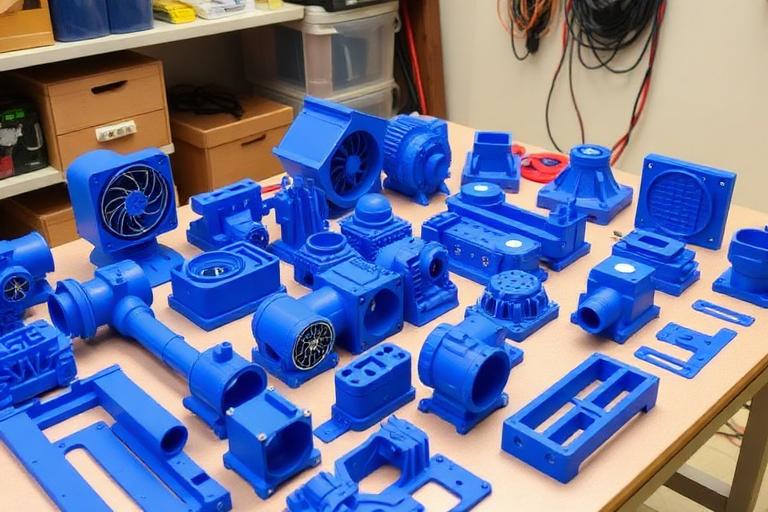
For a 3D printer farm, spare parts are not just accessories. They are insurance against downtime.
One of our customers runs a small 3D printer farm with different desktop FDM printers. Their machines are used for daily production, so the main problem was not finding one replacement part. The real problem was keeping the right spare parts ready without overbuying, buying the wrong models, or wasting too much time talking to different suppliers.
The problem
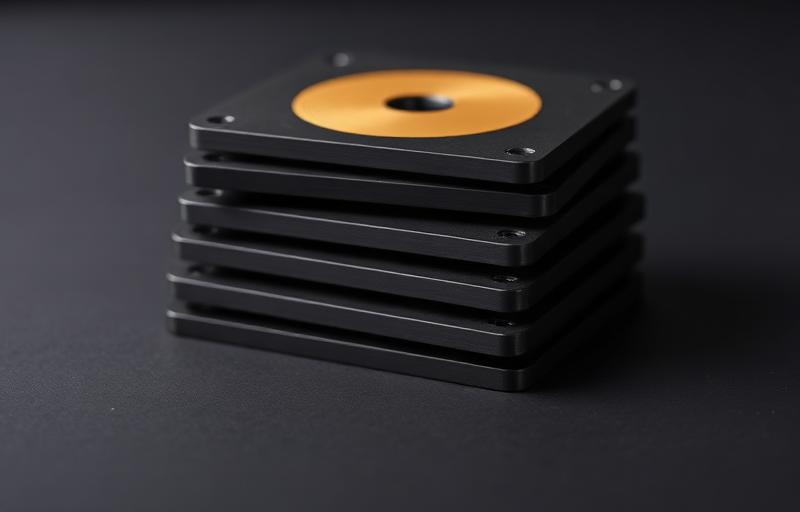
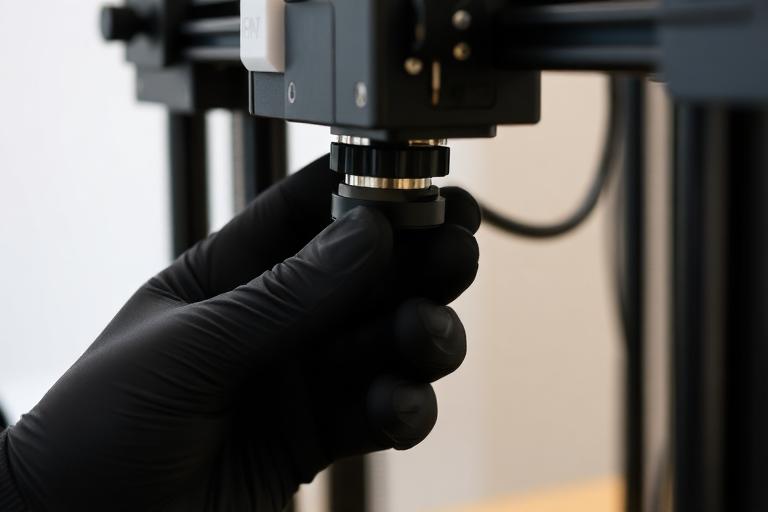
Nozzles, hotend parts, PTFE tubes, build plates, cooling fans, silicone socks, fittings, belts, lubricants and small hardware were consumed regularly. Some parts needed replacement after long printing hours; some were kept only for emergency repair. The customer did not want to place large orders for every single SKU — they needed a mixed spare parts order with practical quantities, clear compatibility, and stable repeat supply.
Another issue was model compatibility. Many 3D printer parts look similar, but the size, connector, voltage, interface or mounting structure can be different. A wrong fan, build plate or hotend part may not cost much, but it can stop a machine when the customer needs production capacity most.
How Yuntrex supported the order
We checked the customer's printer models and the parts they were currently using. We organized the order into practical groups:
- hotend and nozzle replacement parts
- build plates and print surface parts
- PTFE tubes, pneumatic fittings and filament path parts
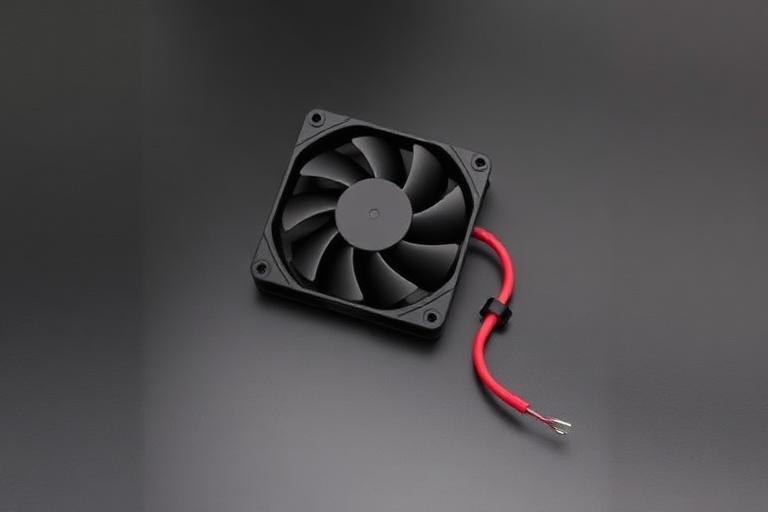
- cooling fans and small electronic replacement parts
- cleaning tools, lubricants and daily maintenance accessories
- screws, nuts, belts and small mechanical hardware
Instead of asking the customer to meet a high MOQ for every item, we supported a mixed spare parts order. For urgent small parts, we could arrange faster shipping such as express or air freight. For heavier or regular restock items, we could combine the shipment to reduce total delivery cost.
The result
The customer received a more practical spare parts list for daily maintenance and emergency replacement. Common replacement items could be ordered together, compatibility was checked before shipment, and repeat orders became easier because the same specifications could be followed again.