More SKUs do not always mean more sales. For specialized 3D printing retailers, a larger product range can attract more customers — and create a quiet problem behind the store: more compatibility checks, more labels, more warehouse work, more packing rules, more repeat-order details and more chances for small mistakes.
The list looked normal. The risk was hidden inside it.
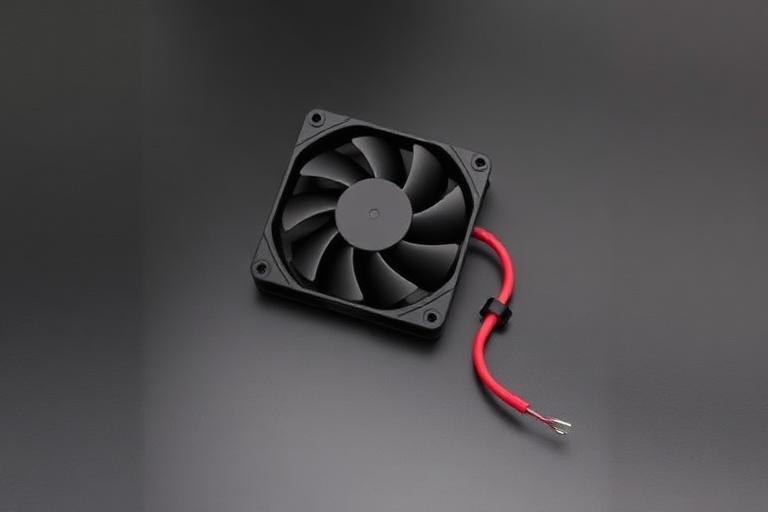
A fan with the wrong voltage or connector becomes a return. A build plate with the wrong size becomes a bad review. A resin film with the wrong thickness becomes a support ticket. A hotend part that fits one printer version but not another becomes a customer complaint. The retailer pays for the mistake again through after-sales work, warehouse checking, listing corrections and lost customer trust.
New printer models create pressure before the data is clear
If the retailer moves too slowly, they may miss early demand. If too fast, they may stock products before the compatibility details are clear. The order needed to be separated by business logic, not just product category — knowing which items should be tested, which restocked, which needed compatibility checking and which should be prepared for repeat supply.
Compatibility is where small mistakes become public
For compatibility-sensitive parts, the safer rule is simple: write the fit clearly, even if the listing looks narrower. They may be low-cost products, but the support cost becomes high when customers buy the wrong version.
A label is not just a sticker
A label tells the warehouse what the product is, how it should be scanned, where it belongs, how many pieces are inside and how it should be reordered next time. Private label packaging has to follow SKU logic — a good label helps sell the product; a consistent label helps repeat the product.
Grade B products should never be a surprise
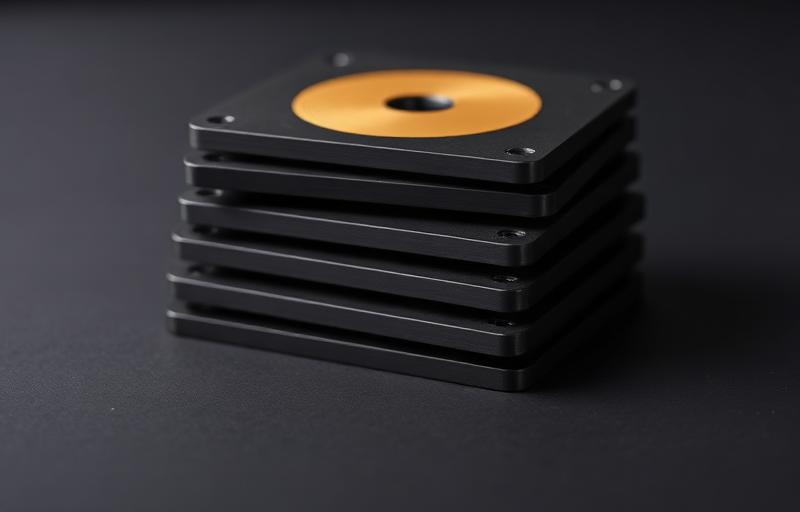
Customized spring steel build plates may occasionally have small cosmetic marks. They should not be mixed into the regular order without explanation. The better way is to separate them, mark them clearly, take photos and inform the customer before shipment.
Freight decisions affect launch speed and cash flow
Urgent small items can ship first; heavy or regular replenishment goods can follow later through a lower-cost route. The shipment plan has to follow sales urgency and landed cost, not factory convenience.
Packing should follow product risk, not carton space
Electronic components should not be mixed directly with heavy hardware. Small screws and nuts need clear separation. Build surfaces need scratch protection. Sharp tools need safer packing.
The second order should not start from zero
After the first order is organized properly, repeat items can follow the same product name, packing quantity, label structure, carton mark, customer item number and compatibility record. The first order tests the system; the second order proves whether the system works.