A product can be packed and still not be retail-ready. For professional retail customers, a 3D printer accessory is not only a physical product. It is also a SKU that has to move through a warehouse system, a barcode process, a purchase order, a carton label rule and a repeat replenishment structure.
Retail-ready means more than product packaging
For professional buyers, each product needs to match the customer's internal system. That may include:
- product name
- customer SKU
- barcode label
- item number
- PO number
- carton label and barcode
- packing quantity per carton
- carton size and weight
A missing barcode creates manual checking. An unclear PO label delays warehouse receiving. A changed SKU label confuses repeat orders. A wrong carton quantity creates inventory mismatch.
Samples had to prove the whole SKU
The customer was not only checking whether the product itself was acceptable — they needed to confirm whether the whole SKU could enter their retail system. Sample confirmation included packaging layout, barcode position, label readability, product description and retail presentation.
Barcode position is not a small detail
The barcode should not be placed where it may be folded, covered, scratched or damaged. The PO label and carton barcode should be easy to find during receiving. Good retail packing should help the warehouse do its job faster.
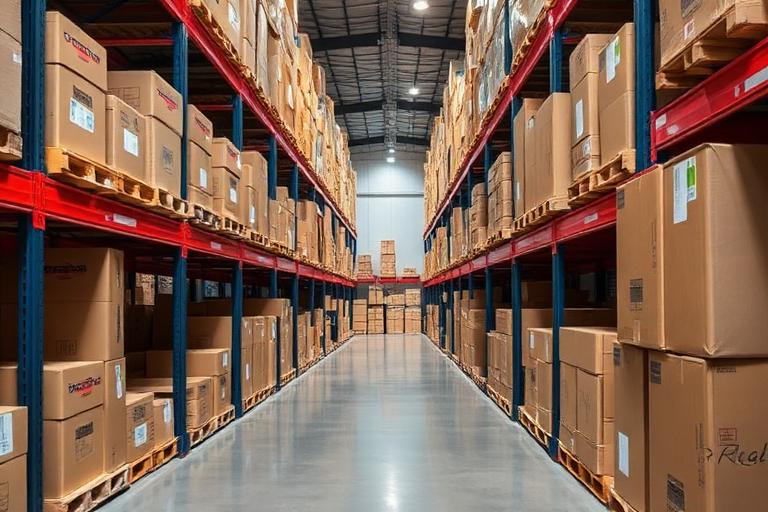
Carton rules affect warehouse receiving
Packing quantity per carton, carton dimensions, carton weight, carton barcode and PO label position may all need to follow the customer's receiving rules. A carton that saves a little packing space at the factory may create extra handling cost after arrival.
SKU consistency matters for repeat orders
After one SKU is confirmed, the next batch should follow the same product name, customer SKU, barcode position, packing quantity, carton label format, carton size rule, product description and packaging style. Repeat orders become easier only when the SKU structure is stable.
Product photos helped the customer move faster
White background photos, packaging photos, kit content photos, label photos and product detail photos helped the customer prepare internal approval, catalog updates, product listings or sales materials earlier — shortening the time from receiving goods to selling goods.
What the customer received
Retail-ready SKUs with confirmed samples, customer SKU information, barcode labels, carton marks, PO labels, product photos, carton size control and packing quantity rules — reducing manual checking, improving warehouse receiving, and making repeat orders easier.